

Types of Business Loans: Definition & Small Business Guide
Compare the main types of business loans in Australia, understand their key features and find the right financing option for your small business.
Read more
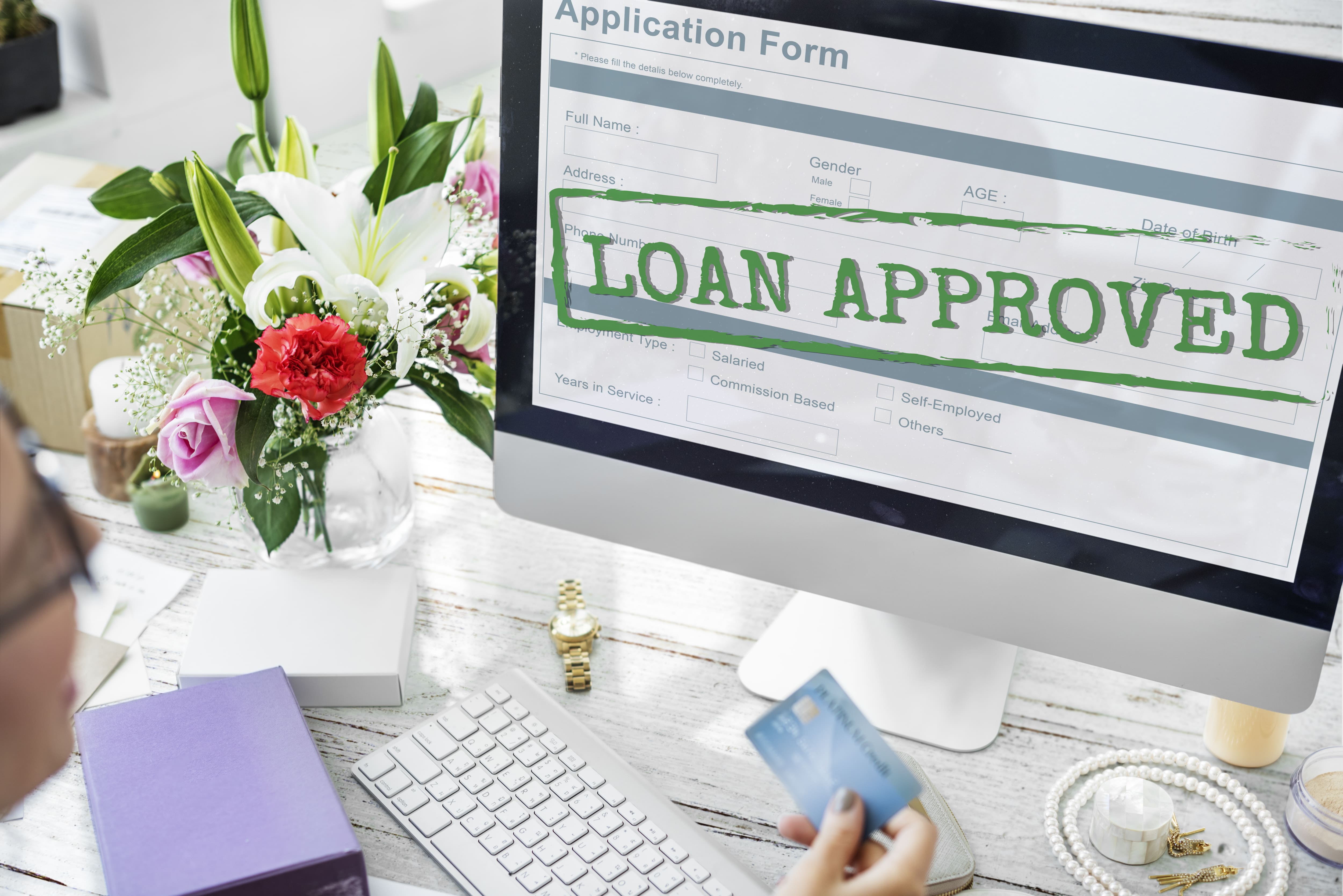
Think if a cafe owner is trading for 18 months, turns over $400,000 a year and they would like to open a second location but need $80,000 in time to meet the paperwork required by the bank. They go to the bank, but are only offered a loan if they provide two years of audited financials and property as security.
It is a problem that plagues small business owners. According to the Reserve Bank of Australia's October 2025 Small Business Finance Advisory Panel report, one in five Australian SMEs report difficulty in getting finance, with lender requirements being too strict cited as the most common challenge.
Low doc and no doc business loans can fill this gap. Both products reduce the documentation burden, but they work differently and are suitable for different scenarios. This guide breaks down the details of each loan, who they suit and what the trade-offs are between their advantages and disadvantages.
A low doc (low documentation) business loan requires fewer formal financial documents than a standard bank loan. Instead of two years of documentation for tax returns, profit and loss and balance sheets, lenders consider other information on business performance, including bank statements and an income declaration form to assess repayment ability.
The most commonly requested documents from lenders are:
The personal guarantee of directors is important as even now with most lenders, at least one director will personally guarantee the loan. Directors are personally liable unless they repay the business. It is also a normal step within a non-bank form of financing.
"Low doc" does not mean "low scrutiny." Even with a "low doc" loan, lenders still need to evaluate your creditworthiness and ability to service the debt. The difference is that you will use bank statements, BAS statements and open banking data rather than formal accounting records, but the credit assessment process is still rigorous.
Anyone in Australia can get a low doc loan. Eligible applicants include sole traders, Pty Ltd companies, partnerships, trusts and self-employed operators in most industries, assuming they have an active ABN and trading history. The vast majority of Australian small businesses are structured like the typical low doc loans product.
A no doc (no documentation) business loan requires minimal to no supporting financial documents. Approval is based on credit history, business revenue accessed through open banking data or assets provided as security.
In the Australian market, there are not many true zero-documentation loans available. Even though many lenders advertise no-documentation products, they still require a valid ABN, a credit check, and basic identity verification. The difference is that they will not ask for bank statements, BAS or any income information. Eligibility is largely assessed through alternative data sources rather than formal documents.
If there are no formal documents, lenders consider the following three factors:
Avoid no doc loans if your business is new, you operate informally as a sole trader or you need fast funding without dealing with standard loan paperwork. The trade-off is straightforward. If there is less documentation, then the risk is higher for the lender. That's why no doc loans typically have higher interest rates, shorter terms, and lower borrowing limits than low-doc options.
The comparison below focuses on factors affecting borrower decisions: cost and borrowing limits.
Not all no doc loans are quicker to process than low doc loans. Many non-bank lenders have technology that enables them to review your account automatically using open banking and provide funding within a day, just like no doc loans providers. The approval speed is determined by the technology used by the lender instead of the documentation.
The Australian non-bank lending market has grown significantly with numerous active providers offering low doc and no doc loans for SMEs. The 2025 ScotPac SME Growth Index shows that over 55% of Australian SMEs plan to borrow from non-bank lenders in the next 12 months, increasing competition and choices for borrowers. Active providers for low doc and no doc loans include:
Deciding between low doc loans and no doc loans depends on the documents you are able to provide now, hence make sure that you review what you can provide and choose accordingly.
If you can provide 3 to 6 months of business bank statements and an active ABN, the best option will definitely be a low doc loan since it offers better interest rates, higher lending amounts and a quick approval process within a day. In contrast, no doc loans are suitable for fewer situations, including businesses operating for less than six months, sole traders with little or no formal records, or owners who need funds quickly and cannot wait at all.
Both options require some verification, so have your ABN and basic details ready before you start your application. Even no-doc lenders will run a credit check and verify your ABN, a consumer protection measure as much as a lending requirement. This is a consumer protection as much as it is a lending requirement, and it is worth keeping that in mind before you start the application.
Note: Choco Up is a finance and growth platform designed for SMEs in Australia, instead of a traditional lender. If your business has stable revenue and you are looking for a simpler and less documentation way to access capital, Choco Up is here to help with our unsecured business financing and invoice financing facilities, which evaluate your eligibility depending on the actual business performance. Check if your business qualifies now.
Grow your business with Choco Up

Compare the main types of business loans in Australia, understand their key features and find the right financing option for your small business.

Wondering what is inventory finance? Discover the types of inventory finance, how it works, eligibility criteria and the pros and cons for Australian SMEs.
