

8 Cash Flow Forecasting Software for Small Businesses
Discover 8 cash flow forecasting software options for SMEs in Australia. Compare features, pricing and integrations to find the best cash flow software for you.
Read more
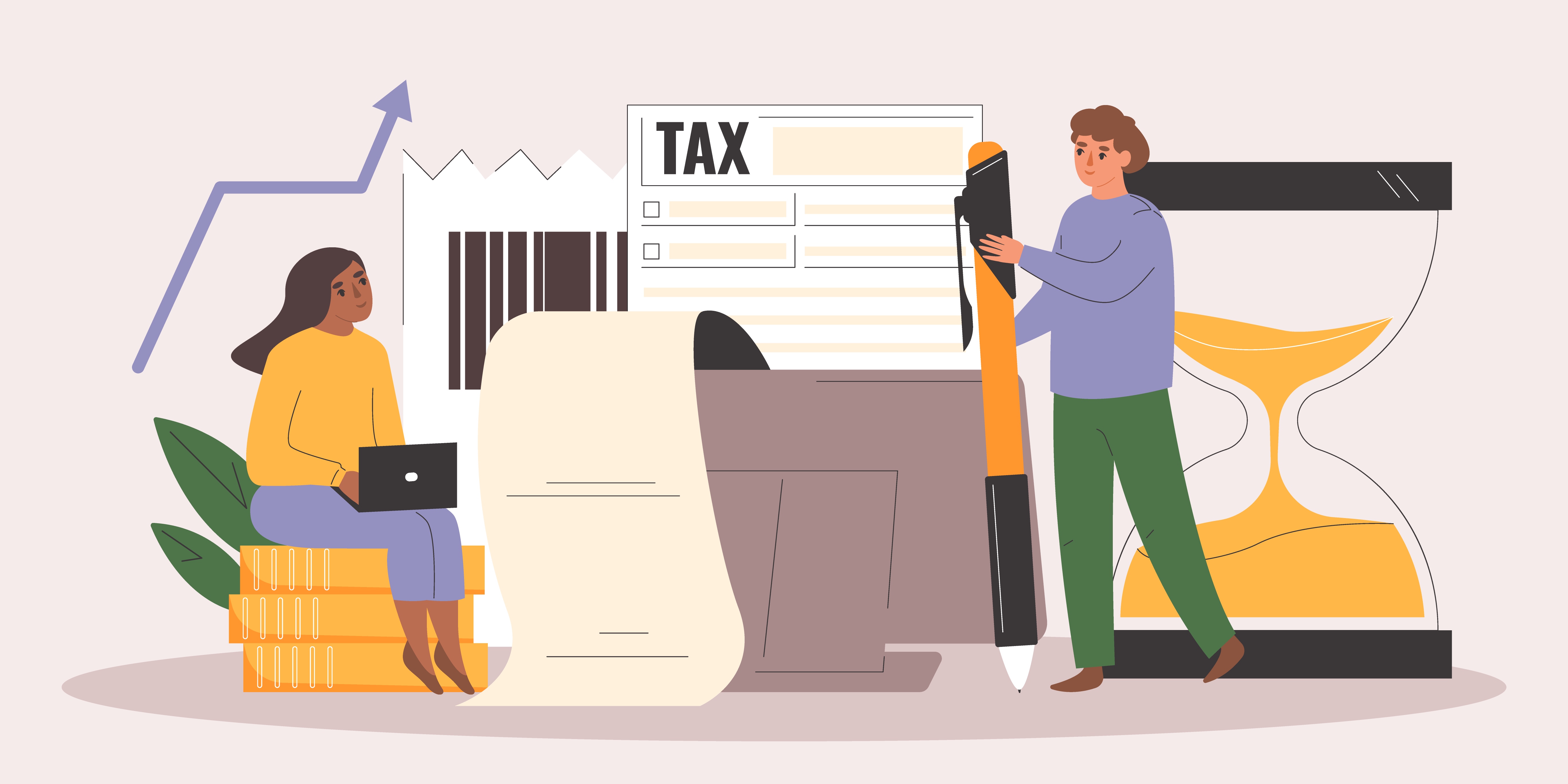
Each year on 30 June, many small business owners in Australia face the same problem: how to organize their accounting, make sure all receipts are accounted for and find out what can be claimed before the financial year.
However, you do not have to worry about the end of the financial year. It is one of the most beneficial things that happen on the calendar year for small businesses that sees EOFY as a year-end financial review process. By claiming all the possible tax deductions, you can have extra working capital and use it for your further business needs.
The guide covers the main tax deductions that you can claim if you run a small business in Australia, deductions that most business owners may miss and the way to keep proper records. Remember to check the latest figures of rates and thresholds on the ATO site since they are updated from time to time.
The term EOFY refers to the “End of Financial Year”. The financial year in Australia starts from 1st July to 30th June, which differs from the calendar year starting from January to December. The significance of EOFY is that it will determine your tax payments and when you can claim the deductions.
When 30 June comes around, there are several tasks that small business owners need to do:
What Is The Difference Between A Tax Deduction And A Tax Credit?
Tax deduction and tax credit are often confused, but they operate differently:
Most small business claims claimed at the end of the financial year are deductions, not credits. It is important to know this difference to have feasible projections of the claims made.
One of the most useful tools available to eligible small businesses is the instant asset write-off. Instead of reducing the asset’s cost through depreciation over several years, eligible businesses can deduct the full cost of a qualifying asset in the income year it was first used or installed, ready for use.
The instant asset write-off applies on an asset-by-asset basis, meaning that each eligible asset is reviewed individually. For example, if you purchase several items (e.g. a new laptop or a piece of equipment) each item is evaluated separately based on the threshold.
Qualifying assets are:
One thing to note is that the threshold and eligible costs are defined by the current legislation, which is updated on a regular basis. Before claiming the write-off, you should check whether your business qualifies as a Small Business Entity (less than $10 million annual aggregated turnover) and the latest ATO guidelines on instant asset write-off.
There are certain expenses which small business enterprises can fully deduct when paid before 30th June in the same financial year, even if the benefit from those expenses carries over into the next year. The duration of the prepayment should not exceed one year.
If you have an online or e-commerce business, different operating expenses qualify for deduction and they include:
The key factor they all have in common is that the expenses must be incurred while earning business income. You cannot deduct purely personal costs and if an expense is mixed (both business and personal), you will need to split it appropriately.
Here are some common tax deductions that many owners may overlook:
If you work from a home office, you can claim part of your everyday household expenses as a legitimate business deduction. The ATO offers a fixed-rate method which you can claim a set amount per hour you work from home. This rate already covers things such as electricity and gas, phone and internet bills and computer consumables.
Before calculating your claim, you will also need to keep a record of the hours worked from home in a diary or time log. Instead of a complete daily record, the ATO will accept a representative four week sample for the whole year.
This is one of the most overlooked deduction categories for growing businesses. If you used a business loan, line of credit or other alternative financing to fund income-producing activities, the costs related to that financing can be deductible. This includes:
Claiming the deduction is not enough. When the ATO reviews your tax return, you need to provide proof for each deduction claimed
All the receipts, invoices, bank statements and log books must be kept for five years from the date you lodge your income tax return. This rule applies to both paper and digital versions of these documents. The ATO can ask for evidence at any time, even after your income tax return has been lodged.
The ATO cross-checks information from banks, payment platforms, payroll systems and business registrations. This allows them to spot any differences between the income and expenses you report and the third-party record without opening a formal audit. This should not stop you from claiming what you are entitled to, but it is a good reminder to keep your records accurate and consistent with your claims.
According to ATO guidelines, an acceptable record of a business expense should include these informations:
Bank statements alone are not enough, as they only show that money has been paid out, not the purpose of the payment, so the original invoice or receipt must be kept. For small cash purchases under $10 without a receipt, the ATO allows a written record made at the time.
The most practical method is to keep digital records throughout the year rather than scrambling to pull everything together at EOFY. With good cloud accounting software, you can categorise expenses, attach receipts straight to transactions and always have a clear audit trail ready whenever you need it. Before 30 June of each year, make sure you take some time to:
EOFY is not only about meeting a compliance deadline. It is one of the most valuable opportunities your business has all year to step back and review its financial health. When you take a proactive approach, like reviewing your deductions, reconciling accounts and making decisions around prepayments and asset purchases, you are doing more than just reducing your tax bill. You are actively deciding how much working capital your business will carry into the next financial year.
If EOFY is creating cash flow stress for your business, our flexible financing options can ease the pressure without slowing down your growth. They can support your tax strategy not replace it. This means you can meet your end-of-year obligations while still preserving your capital and keeping future growth opportunities.
Businesses that treat EOFY as a regular annual habit, rather than a last-minute emergency, tend to benefit the most. Get started early, keep records organised throughout the year, check the latest thresholds with the ATO or your tax agent and use that saved working capital on future investments.
Grow your business with Choco Up
Discover 8 cash flow forecasting software options for SMEs in Australia. Compare features, pricing and integrations to find the best cash flow software for you.

Discover what SME Finance means and how it helps small and medium enterprises grow. Explore flexible business finance solutions for Australian SMEs now.
