

How to Manage Cash Flow Gaps and Keep Your Business Growing
Learn how to spot cash flow gaps, plan around your business cycle, and choose between AP and AR financing to support sustainable growth.
Read more
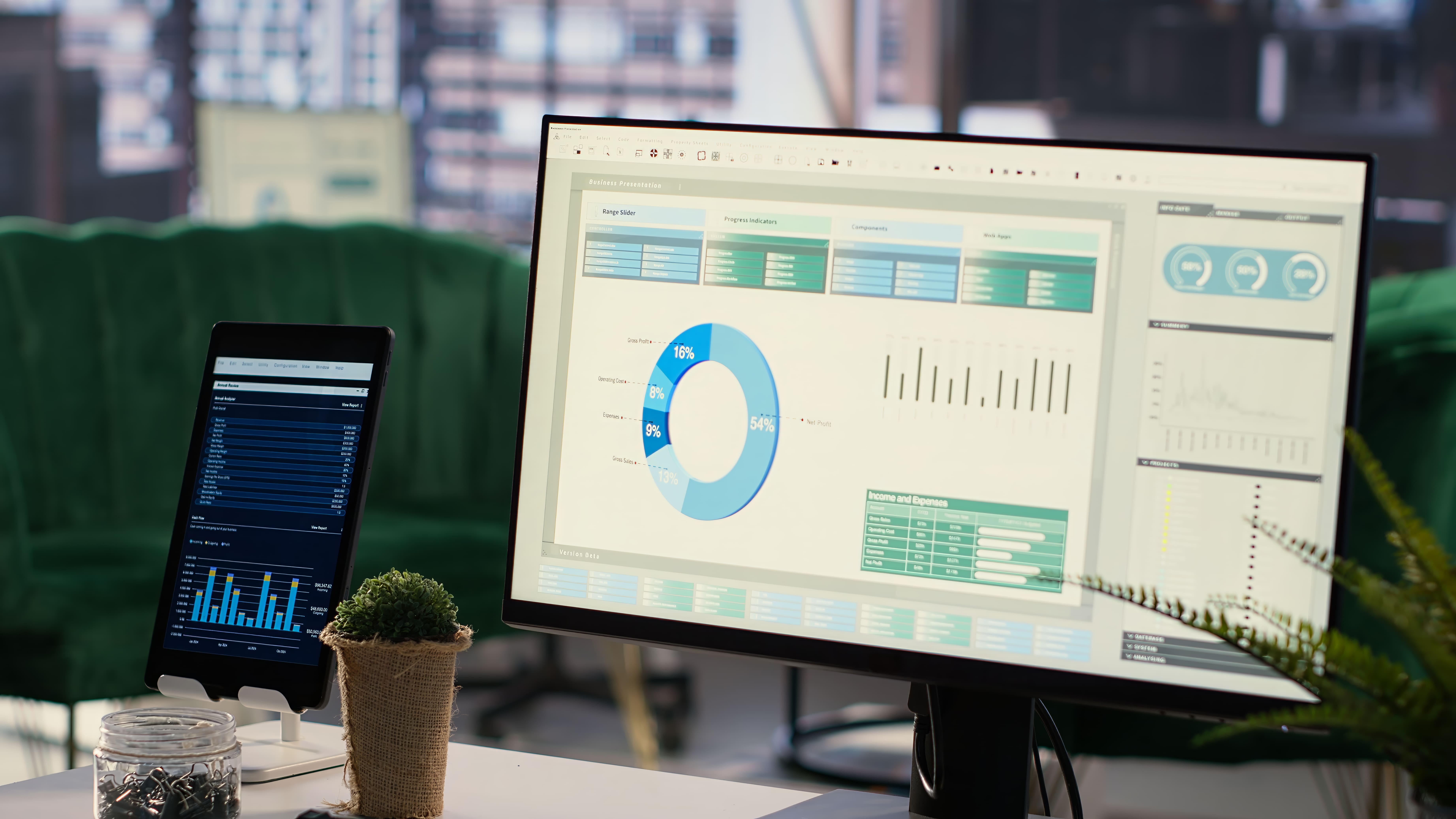
Cash flow forecasting software tracks the cash coming in and going out of your business. It predicts how cash flow will behave in the future. Manual forecasting, such as using spreadsheets, works well when the numbers are small and straightforward. However, it can struggle as the data becomes more complicated. You might run into issues like broken formulas and outdated information. Dedicated cash flow forecasting software retrieves the latest data automatically, updates in real time, and notifies you early to address a gap before it turns into a crisis.
This guide explains what cash flow forecasting software is and outlines which features are worth paying for. It also presents eight options for cash flow forecasting software. Finally, there are tips on how to choose the best option for your business to avoid unexpected cash gaps.
Cash flow forecasting software is a digital tool that predicts a business's future cash inflows and outflows. The software combines historical transaction data, current bank balances and outstanding invoices and bills to estimate future cash flow and assist with planning.
Most accounting software includes cash flow forecasting features that give a quick look at the business's finances. This is great for daily tracking. However, dedicated cash flow forecasting software offers extra features for longer forecasts, different scenario modelling and more flexible payment scheduling.
Late payments, shifting seasonal income and choices about business growth can lead many small businesses to experience delays between earning revenue and having that money available as cash. A business can grasp these timing issues faster by using specialized cash flow forecasting software rather than relying solely on general accounting software. This provides clearer insights and allows them to make plans and take action early to avoid problems.
Before choosing the right cash flow management software, it is important to know the key features that are different from manual forecasting.
For small businesses that are still in an early stage, these key features can fulfill their needs. The nice-to-have features below are more suitable if the business becomes more complex.
How well the cash flow forecasting software works with your current accounting system affects the cost and setup time. If you already have accounting software, selecting forecasting software with built-in integration allows you to be set up and running in a few days. This is much faster than spending weeks manually reconciling data between two systems.
The best cash flow forecasting software for you will depend on your business stage and how detailed you need your forecasts to be. The eight software options listed below are organised by business stage and forecasting depth. The right choice depends on your current situation, and each option has its benefits and limitations to help you find the most suitable one.
Xero is an accounting software platform with a built-in cash flow forecasting tool designed for Australian small businesses to view and predict short-term cash flow without a separate subscription for basic visibility.
Benefits of using Xero:
Limitations of Xero:
Best for: Existing Xero users who need quick short-term cash visibility without adding another platform or subscription.
Cash Flow Frog is an automatic cash flow forecasting and planning software for small businesses. It connects to major accounting systems (e.g. Xero) and builds a rolling cash flow forecast from live financial data.
Benefits of using Cash Flow Frog:
Limitations of Cash Flow Frog:
Best for: Sole traders and small teams looking for the quickest and simplest way to create a usable cash flow forecast.
Float is a dedicated cash flow forecasting software especially for small businesses that are using Xero or QuickBooks Online as their accounting software. It focuses on turning existing accounting data into a clear and visual forecast without spending time on manual model-building.
Benefits of using Float:
Limitations of Float:
Best for: small to mid-size finance teams that want a clearer view of cash without having to rebuild data in a spreadsheet.
Fathom is an all-in-one cash flow forecasting and financial analysis platform that covers management reporting, three-way forecasting and multi-entity consolidation.
Benefits of using Fathom:
Limitations of Fathom:
Best for: Accounting firms and finance teams seeking a single platform for forecasting, reporting and consolidation, with advanced advisor features compared to a typical single-entity small business's needs.
Syft Analytics is a financial reporting and cash flow forecasting software that helps businesses create dashboards, reports, forecasts and consolidations from accounting and other business data.
Benefits of using Syft Analytics:
Limitations of Syft Analytics:
Best for: Businesses or advisors who need customizable and presentable dashboards along with forecasting.
Dryrun is a software for scenario modeling and cash flow forecasting. It helps finance teams create, modify, and compare different cash flow scenarios without relying on spreadsheets.
Benefits of using Dryrun:
Limitations of Dryrun:
Best for: Teams that would like to run quick and regular tests for different scenarios.
Spotlight Reporting is a reporting and cash flow forecasting software for businesses managing more than one trading entity.
Benefits of using Spotlight Reporting:
Limitations of Spotlight Reporting:
Best for: Small businesses operating multiple entities or franchising models that require consolidated forecasts.
Calxa is a budgeting and cash flow forecasting software that suits businesses that already create budgets in spreadsheets or their accounting system. It offers better forecasting and version control.
Benefits of using Calxa:
Limitations of Calxa:
Best for: Businesses with divisional or multi-entity budgeting needs that require consolidated reporting across the organisation.
Choose software that matches your business complexity, not the one with the most features. You may start with a simple framework based on three factors:
There are some mistakes to avoid during implementation:
Most small business cash flow software falls into a few main categories. There are free or very low-cost options available within existing accounting software. Then, there is entry-level standalone software designed for small businesses. Lastly, mid- to higher-tier software is intended for multiple entities or advisory use. For a single-entity business just starting out with dedicated forecasting, investing in software that consolidates multiple entities can be worthwhile.
For many small businesses, this comes down to a balancing between time, cost, and error risk.
Manual forecasting (spreadsheets) is completely free to implement and is flexible to build exactly the model you want. However, it requires manual updating which is prone to formula mistakes that cannot be easily spotted and becomes outdated if a transaction is not entered on time. The maintenance of an accurate forecast becomes a burden for the business owner who has to deal with sales, operations and staff. Keeping a spreadsheet forecast accurate and current is an ongoing time cost.
Dedicated cash flow software involves a subscription cost, but it removes most of the manual maintenance burden. Bank feeds and accounting integrations keep the underlying data current automatically and built-in scenario tools decrease manual formula-building time cost. The balancing is the cost in subscription fees and time for setting the software up.
If you are just starting with standard expenses and a single revenue stream, a simple Excel or Google Sheets template can handle the work. Many small business owners use spreadsheets for months without problems. The situation often changes when sales increase, payment terms extend and you are dealing with multiple suppliers at the same time. You might find yourself spending hours copying and pasting numbers to keep the sheet from failing. Once manual updates begin to take time away from making decisions, switching to dedicated cash flow software is not just convenient. It becomes necessary for maintaining your margins.
The choice of cash flow forecasting software depends on three factors: how large and complex your business currently is, your forecasting needs and which accounting platform you are already using. However, even the best forecasting software can only solve half the problem. If your cash flow forecast software notices a future cash flow gap, the next step is to secure the funding to bridge it.
This is where flexible financing solutions can support your forecasting tool instead of replacing it. Options from Choco Up, such as unsecured business financing or invoice financing, help small businesses cover a cash flow gap found through forecasting. This occurs without waiting on slow-paying customers or taking on strict, long-term debt. Pairing your cash flow software with the right financing option is among the best ways for a growing small business to stay ahead of its cash flow.
Grow your business with Choco Up

Learn how to spot cash flow gaps, plan around your business cycle, and choose between AP and AR financing to support sustainable growth.
Learn which small business tax deductions you can claim in Australia, how the ATO evaluates expenses, and how to maximise your refund each year with Choco Up.
