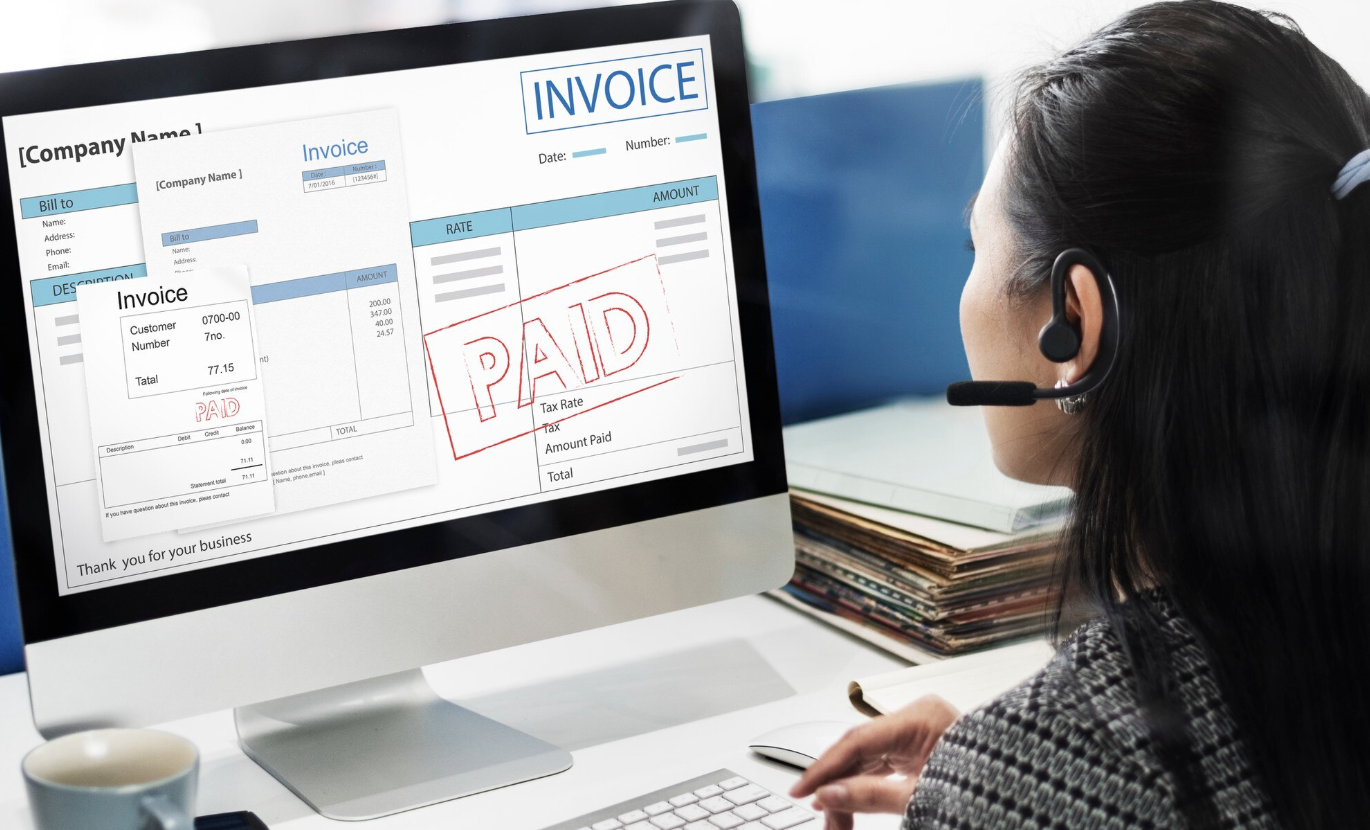
How Do Late Payments Impact Singaporean SMEs?
For business owners in Singapore, outstanding invoices are far more than administrative nuisances; they represent a direct and severe threat to operational viability and growth. The impact of late payments on local SMEs is profound, creating immediate cash flow crunches that stifle daily operations, from meeting payroll and settling supplier debts to covering essential overheads. This constant financial strain forces business leaders into reactive, survival-mode management, diverting crucial energy and resources away from strategic investment, innovation, and market expansion. Ultimately, what begins as a delayed payment can swiftly cascade into a cycle of hindered growth, limiting a company's ability to scale, hire talent, or seize new opportunities in Singapore's competitive marketplace. Protecting cash flow, therefore, isn't just about liquidity; it's the fundamental cornerstone of sustainable business health and long-term success.
What Exactly is an Outstanding Payment?
An outstanding payment, in its simplest terms, is any invoiced amount that has not yet been received by the payment due date. It represents a legitimate debt owed to your business for goods delivered or services rendered. Importantly, an invoice can be "outstanding" without necessarily being problematic; it simply exists in the period between the due date and the moment it is settled. Outstanding payments can be categorized into two main types: uncontested, where the client acknowledges the debt but hasn't paid, and contested, where the client disputes the invoice's validity or amount. Proactively managing and reducing the total value of outstanding receivables is a critical discipline for maintaining healthy business cash flow.
Outstanding vs. Overdue vs. Unpaid: What’s the Difference?
While often used interchangeably in casual conversation, these terms describe distinct stages in the payment lifecycle, each requiring a different management approach.
Outstanding Payment
Outstanding payment is the broadest category. An invoice becomes outstanding the moment it passes its stipulated due date without payment. At this stage, it is a current receivable that is expected to be paid shortly. For example, if your payment terms are "Net 30" and the client hasn't paid on day 31, the invoice is now outstanding. Initial gentle payment reminders are the standard protocol here.
Overdue Payment
This is a more serious subset of outstanding payments. An invoice is typically considered overdue when it remains unpaid significantly past its due date (e.g., 60, 90, or 120+ days). It signals a delay that may impact your cash flow projections. Using the same example, if that invoice is still unpaid at day 75, it is severely overdue. This stage warrants firmer communication, such as formal payment demands, phone calls, and the potential imposition of late fees or interest as per your contract.
Unpaid Invoice
This term is often used as a synonym for both outstanding and overdue invoices. However, it can also carry a more final, problematic connotation, particularly when an invoice remains unpaid despite all reminders and the debt is at risk of becoming bad. It implies that collection efforts have failed and the debt may need to be escalated to formal debt recovery or legal action. If the client from our example ceases communication and shows no intention to pay by day 120, the invoice is not just overdue; it is a critically unpaid debt requiring decisive action.
In conclusion, all overdue and unpaid invoices are outstanding, but not all outstanding invoices have progressed to being overdue or unpaid in the critical sense. Clear understanding of these distinctions allows business owners to apply the correct response at the right time.
Why Outstanding Invoices Are a Critical Threat to Singaporean SMEs
Outstanding invoices are not merely a clerical headache; they represent a pervasive and critical threat to the survival of SMEs in Singapore. The danger lies in a devastating domino effect that begins with strained cash flow, the lifeblood of any business. When expected revenue fails to materialize, owners are forced to cover operational gaps using personal savings or expensive short-term financing, eroding profit margins. This cash crunch directly impairs the ability to meet crucial obligations on time, such as paying suppliers, which can damage vital trade relationships and credit terms, or ensuring timely employee payroll, risking morale and talent retention.
Consequently, strategic business growth is inevitably stunted. Resources that should fund marketing initiatives, new equipment, or market expansion are instead diverted to plugging cash flow gaps. Opportunities to bid for larger contracts or invest in innovation are lost, leaving the business stagnant in Singapore's highly competitive and fast-paced economy. Beyond the financials, the burden carries a profound human cost, for example, relentless stress, anxiety, and long hours spent chasing payments take a severe emotional toll on business owners, blurring the lines between personal and professional well-being. This combination of financial vulnerability and personal strain makes effective receivables management not just an accounting task, but a fundamental cornerstone of sustainable business leadership.
The Proactive Shield: How to Prevent Outstanding Payments Before They Happen
Building a resilient business requires proactive measures that prevent payment delays before they occur. This shield is constructed through clear financial agreements, strategic payment structuring, prudent client assessment, and leveraging technology to eliminate administrative friction. By systematizing these upfront practices, you establish a foundation of professionalism, manage client expectations effectively, and significantly reduce the risk to your cash flow, turning your focus from chasing payments to growing your business.
Craft Iron-Clad Payment Terms for Singaporean Clients
The clarity of your payment terms sets the tone for your entire financial relationship. Avoid vague industry standards like "Net 30," which can lead to misinterpretation. Instead, use precise, actionable language such as "Payment is due within 14 days of the invoice date" or "Full payment required within 7 days upon receipt of this invoice." These terms must be explicitly confirmed in writing, ideally within a signed contract or service agreement. Crucially, your terms should state the consequences of late payment. Under Singapore law, you are entitled to charge interest if stipulated in your contract. For instance, a strong clause could be: "We reserve the right to charge interest on late payments at a rate of 1.5% per month (or the maximum rate permitted by law) from the due date until full payment is received." Additionally, stipulate that the client will bear all reasonable costs incurred in debt recovery. This isn't merely punitive; it's a professional safeguard that underscores the seriousness of your agreements.
The Power of Upfront Deposits and Milestone Payments
For service-based businesses and custom projects, waiting until completion for full payment creates significant financial risk. Implementing upfront deposits and milestone payments is a vital cash flow management tool. A standard deposit (e.g., 30-50%) secures client commitment and provides essential working capital to begin work. For longer projects, tying subsequent payments to clear, pre-defined milestones (e.g., "40% upon completion of Phase 1 deliverables") ensures a steady cash inflow and aligns payment with progress. This model not only protects your liquidity but also mitigates risk; if a project stalls or a client relationship sours, you are compensated for the work already completed, rather than being left with a single, large, and potentially uncollectible invoice.
Conduct Client Credit Checks
Prudent client onboarding is your first line of defense. Conducting basic due diligence can reveal potential payment risks before you commit resources. For Singaporean SMEs, straightforward checks include:
ACRA Business Profile: Purchase a quick profile from the Accounting and Corporate Regulatory Authority (ACRA). Look for the company's filing status, paid-up capital, and appointment of officers to gauge legitimacy and scale.
Industry Reputation: Search for online reviews, news, or ask within your professional network. Patterns of complaints about late payments are a major red flag.
Request Trade References: Ask new clients, especially corporate ones, for 1-2 references from existing suppliers. A brief call can confirm their payment history and practices.
For a more formal assessment, consider subscribing to a commercial credit report from providers like DP Information Group (DP Info) or Experian, which offer SME-focused reports on a per-check basis.
Automate Your Invoicing for Accuracy and Speed
Manual invoicing is prone to errors and delays, which directly slow down payment. Implementing professional invoicing software creates a system of accuracy and speed. These tools allow you to generate and send polished, error-free invoices instantly upon job completion or on a recurring schedule. Key features like automated payment reminders, online payment gateway integration (e.g., Stripe, PayPal), and real-time tracking of invoice status drastically shorten the payment cycle. Automation ensures your invoice is the first thing a client sees, presented professionally, with clear instructions for immediate settlement, moving you to the front of their payment queue.
The Strategic Recovery: A Step-by-Step Plan to Collect What You're Owed
When an invoice becomes outstanding, a structured, phased approach is essential. An ad-hoc or emotionally charged response can damage client relationships and hinder collection. This strategic recovery plan escalates actions appropriately, maintaining professionalism while progressively applying more formal pressure to secure payment and protect your rights.
Phase 1: The Gentle Nudge (1-7 Days Overdue)
Act promptly but assume good faith. The first communication should be a courteous reminder that the payment may have been overlooked. Automate this step using your invoicing software to trigger a friendly email 1-3 days after the due date. This removes the personal tension and operates as a standard business procedure.
Template: Friendly Payment Reminder
Subject: Friendly Reminder: Invoice [Invoice Number] Due
Body:
Dear [Client Name],
Hope you're well.
This is a gentle reminder that invoice [Invoice Number] for [Amount] was due on [Due Date]. For your convenience, a copy is attached, and you can view/pay it online here: [Payment Link].
Please let us know if you have any questions or if there is an issue with the invoice.
Best regards,
[Your Name/Company Name]
Phase 2: The Direct Follow-Up (8-14 Days Overdue)
If payment remains pending, escalate to a direct, personalised follow-up. This phase employs a polite but firm customer service approach, preferably via a phone call followed by an email summary. The goal is to open a dialogue, confirm receipt of the invoice and reminders, and secure a specific commitment date.
Phase 3: The Formal Demand & Late Fees (15-30+ Days Overdue)
When gentle reminders and direct follow-ups fail, it's time to shift to formal communication. Send a formal letter or email from a senior manager or founder. This communication should state the facts clearly, reference the original agreed terms, and formally apply any late payment interest or fees as stipulated in your contract. This serves as a final notice before external action.
Template: Formal Demand Letter
Subject: FINAL NOTICE: Overdue Invoice [Invoice Number] - Immediate Payment Required
Body:
Dear [Client Name],
Formal Notice of Overdue Payment
This letter concerns invoice [Invoice Number] dated [Date] for services/goods delivered on [Delivery Date], in the total amount of [Original Amount].
Despite our previous reminders dated [Dates], this invoice remains unpaid, now [Number] days overdue. As per our signed agreement/your accepted terms dated [Date], we hereby formally apply a late payment charge of [Late Fee Amount] and interest at 1.5% per month from the due date [Due Date].
The total amount now due is [New Total Amount].
Payment is required in full within 7 days of this notice. Your immediate settlement is necessary to avoid further action, which may include the engagement of a third-party collection agency or the initiation of legal proceedings, for which you will be liable for all associated costs.
Please arrange for payment via [Payment Method] to [Your Details] by [Date 7 days from now].
Sincerely,
[Your Name], Founder/Director
[Company Name]
Understanding Your Legal Rights in Singapore
When internal recovery efforts are exhausted, understanding your legal recourse is essential for protecting your business. Singapore's legal framework provides clear pathways to enforce payment, from contractual remedies to formal litigation. Navigating these options with informed confidence allows you to escalate matters appropriately, maximise recovery chances, and make strategic decisions about pursuing outstanding debts.
Charging Late Payment Interest: What the Law Says
In Singapore, your right to charge late payment interest is primarily contractual. The law upholds what is agreed upon in your signed terms. As recommended in your payment terms, a clause specifying an interest rate (e.g., 1.5% per month) is legally enforceable. If your contract is silent on interest, you may still have recourse under common law to claim interest as damages for late payment, though proving the amount is more complex.
Significantly, Singapore also has the Late Payment Interest Act, which provides a statutory "backstop." This law allows a creditor to claim interest on commercial debts, but it only applies if your contract does not already address late payment interest. The statutory rate is pegged to the Singapore Dollar Swap Offer Rate (SOR) or its successor benchmark. However, relying on this Act involves a more formal process. The strongest position is always to have a clear, agreed-upon interest clause in your own terms, making your right to charge interest straightforward and undisputable.
When and How to Engage a Debt Collection Agency in Singapore
Engaging a licensed debt collection agency is a strategic step before embarking on costly litigation. It signals serious intent and leverages professional expertise. In Singapore, the industry is regulated; reputable agencies must hold a Private Investigation & Security Agency license from the Singapore Police Force (SPF). They are bound by strict codes of conduct, prohibiting harassment, threats, or unlawful tactics, and operate within legal frameworks like the Protection from Harassment Act (POHA).
Engage an agency when phased reminders and formal demands have failed, typically for debts overdue by 60-90 days or more. A professional agency will first issue a final legal demand on their letterhead, which often prompts payment. If not, they employ structured negotiation and tracing. The standard fee is typically a contingency percentage (often 20-35%) of the amount recovered, aligning their success with yours. Choosing a licensed, reputable firm is crucial to protect your company's reputation and ensure lawful, effective recovery.
The Legal Nuclear Option: Small Claims Tribunal & Lawsuits
For unresolved debts, Singapore's legal system provides tailored avenues.
1. Small Claims Tribunal (SCT)
This is the preferred, cost-effective route for claims not exceeding $20,000 (or $30,000 with mutual consent). Designed for simplicity, it handles disputes quickly without lawyers. The process involves filing a claim online, attending a consultation, and, if unresolved, a hearing before a tribunal referee. Orders are legally binding and enforceable. It is ideal for clear-cut invoice disputes.
2. Lawsuits in Court
For claims above the SCT limit, you must proceed through the State Courts or High Court. This involves filing a writ and statement of claim, with processes for defence, discovery, and trial. It is significantly more time-consuming and costly, requiring legal representation. A critical consideration is the debtor's ability to pay; a judgment is worthless if the debtor is insolvent.
3. Simplified Insolvency Programme (SIP)
If a corporate debtor is unable to pay its debts, the Simplified Insolvency Programme (SIP) offers a streamlined, lower-cost path for smaller companies to wind up insolvent debtors or initiate restructuring proceedings. This can be a strategic tool to formally trigger liquidation, potentially allowing you to claim from any remaining assets, though recovery is not guaranteed.
Don't Let Cash Flow Stall Your Business: Singapore Financing Solutions
When outstanding payments create a cash flow gap, waiting is not your only option. Singapore's financial ecosystem offers tailored solutions that allow you to unlock the value of your unpaid invoices immediately. These financing solutions provide the working capital needed to sustain operations, meet payroll, and seize growth opportunities without being held hostage by client payment cycles. By understanding and leveraging these options, you can transform your accounts receivable from a source of stress into a strategic asset for business stability and expansion.
What is Invoice Financing or Factoring?
Invoice financing is a straightforward solution to a common problem: it provides your business with immediate cash by advancing a majority of the value of your unpaid, but valid, invoices. In simple terms, you are using your customer's debt to you as collateral to secure a loan or an advance. There are two primary models:
Invoice Financing (or Discounting): You receive an advance (typically 70-90% of the invoice value) from a financing provider. You retain control of your sales ledger and are responsible for collecting payment from your customer. Once your customer pays the invoice in full, you repay the advance plus a pre-agreed fee, and you receive the remaining balance.
Invoice Factoring: The financing provider purchases your invoices outright and takes on the responsibility of collecting payment from your customers (known as "non-recourse" factoring). This provides immediate cash and outsources the collections process.
For a deeper dive into how this can protect and accelerate your cash flow, explore our detailed guide, What is Invoice Factoring: A Complete Guide for Singapore’s businesses
Leveraging Invoice Financing in Singapore
For Singaporean SMEs, invoice financing is a powerful lever to maintain momentum. Instead of your capital being tied up for 30, 60, or 90 days, you can convert your sales into immediate working capital. This is crucial for covering operational costs, fulfilling new orders that require upfront material purchases, or investing in marketing during a growth phase.
Services like our Upfront epitomise this modern financial tool. It allows you to select specific unpaid invoices from reliable clients to finance. Once verified, funds are advanced to your business swiftly, often within a few days. This provides a flexible, scalable funding line that grows directly in line with your sales, ensuring cash flow keeps pace with your business ambitions.
Conclusion: Turn Outstanding Payments from a Crisis into a Managed Process
Outstanding payments need not be a recurring crisis that threatens your enterprise. As outlined in this guide, the solution lies in transforming this challenge from an emotional stress point into a systematic, managed business process. The cornerstone of success is unwavering prevention, establishing iron-clad payment terms, securing upfront commitments, and vetting clients from your first and most powerful line of defense. When prevention meets reality, a clear, escalating recovery plan, from the gentle nudge to the formal demand, protects your revenue with professionalism and purpose.
Crucially, operating in Singapore provides distinct advantages and tools. Knowledge of your contractual rights, including late payment interest, and the structured pathways empowers you to take decisive action. Furthermore, local financial solutions like invoice financing offer a strategic lever to bridge cash flow gaps without sacrificing growth. By integrating these Singapore-specific legal and financial insights into your standard operating procedures, you build a resilient business that is insulated from payment volatility, ensuring that your vision and growth are funded by reliable cash flow, not chance.
Frequently Asked Questions (FAQ)
What is a reasonable late payment fee in Singapore?
A reasonable late payment fee in Singapore is one that is stipulated clearly in your contract or terms of service. It should be a fixed sum or a percentage that acts as a genuine pre-estimate of the administrative costs incurred due to late payment, not a punitive penalty. Common market practice often ranges from a fixed fee of SGD $20-$50 for smaller invoices to a monthly interest charge of 1% to 1.5%. The key is transparency, where the fee must be communicated and agreed upon upfront to be enforceable.
Can I charge interest on an overdue invoice if it's not in my contract?
Yes, but the process is more complex. If your contract has no late interest clause, your primary right to charge interest stems from Singapore's Late Payment Interest Act. To use it, you must formally serve a "statutory notice" on the debtor stating your intention to claim interest under the Act. The rate is based on a government benchmark. However, claiming interest under common law as damages for late payment is also possible but requires proving your actual loss. The simplest and strongest position is always to include a clear interest clause in your original terms.
What is the first thing I should do when a payment is late?
The first thing you should do is execute your predefined, automated "Gentle Nudge" reminder. This should be a polite, system-generated email sent 1-3 days after the due date, assuming good faith and an oversight. Having this step automated removes emotion, ensures consistency, and starts the clock on your formal recovery process. Avoid letting delays linger; prompt, professional communication sets the tone for resolution.
Is invoice financing a good option for my small business?
Invoice financing can be an excellent option for small businesses in Singapore that are growth-oriented, have reliable corporate clients, but suffer from cash flow gaps due to long payment terms. It is particularly beneficial if you need working capital to cover operational costs, payroll, or new project expenses without taking on traditional debt or giving up equity. It’s a powerful tool to smooth out cash flow volatility. However, it's most cost-effective for invoices with creditworthy clients and clear terms. Assess the fee structure against your profit margins to ensure it aligns with your financial strategy.